Save Money with Expert Waste Management Solutions

Waste management is often seen as a necessary evil, but it doesn’t have to be. With the right strategies and expert solutions, businesses and households can significantly reduce their waste disposal costs while also contributing to a more sustainable environment. This blog post will explore how effective waste management can save you money, improve efficiency, and promote eco-friendly practices.
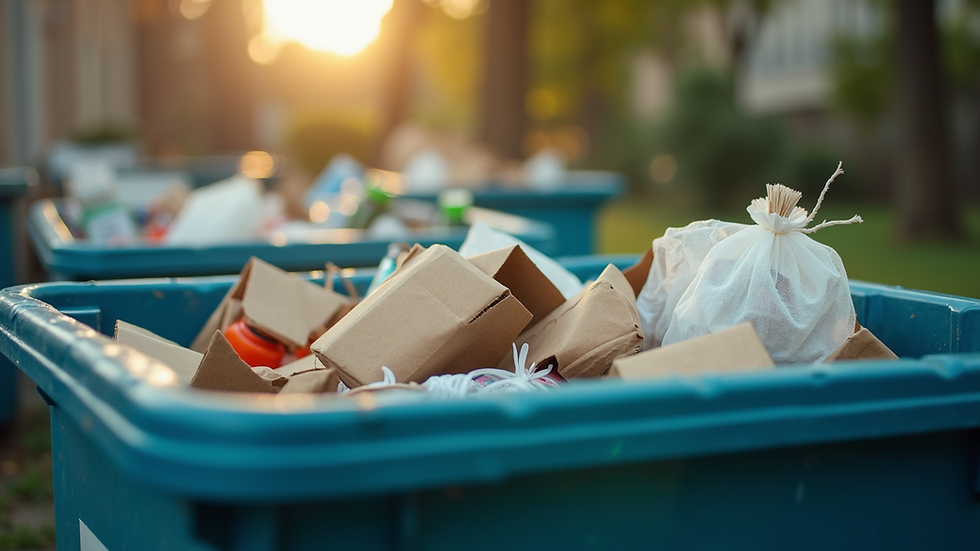
Understanding Waste Management
Waste management encompasses the collection, transportation, processing, recycling, and disposal of waste materials. It is crucial for maintaining public health and environmental safety. However, many people overlook the potential savings that come from implementing effective waste management strategies.
The Importance of Waste Management
Environmental Protection: Proper waste management reduces pollution and conserves natural resources.
Cost Savings: Efficient waste disposal can lower costs associated with waste collection and landfill fees.
Regulatory Compliance: Adhering to waste management regulations helps avoid fines and legal issues.
The Financial Benefits of Effective Waste Management
Investing in expert waste management solutions can lead to significant financial benefits. Here are some ways you can save money:
Reduced Disposal Costs
Landfill fees can be a significant expense for businesses and households. By reducing the amount of waste sent to landfills, you can lower these costs. Here are some strategies:
Recycling: Implementing a recycling program can divert materials from landfills, reducing disposal fees.
Composting: Organic waste can be composted instead of thrown away, further decreasing landfill contributions.
Increased Efficiency
Streamlining waste management processes can lead to increased operational efficiency. Consider the following:
Waste Audits: Conducting a waste audit helps identify areas where waste can be reduced, leading to cost savings.
Employee Training: Educating staff on proper waste disposal methods can minimize mistakes that lead to increased costs.
Tax Incentives and Grants
Many governments offer tax incentives and grants for businesses that implement sustainable waste management practices. Research local programs that may provide financial assistance for waste reduction initiatives.
Implementing Expert Waste Management Solutions
To maximize savings, consider partnering with a waste management expert. Here are some steps to take:
Assess Your Current Waste Management Practices
Start by evaluating your current waste management processes. Identify areas for improvement and potential cost savings.
Choose the Right Waste Management Partner
Look for a waste management company that aligns with your sustainability goals. Consider their experience, services offered, and customer reviews.
Develop a Waste Reduction Plan
Work with your waste management partner to create a comprehensive waste reduction plan. This plan should include:
Goals: Set specific, measurable goals for waste reduction.
Strategies: Identify strategies to achieve these goals, such as recycling, composting, and reducing single-use items.
Monitoring: Establish a system for tracking progress and making adjustments as needed.
Case Studies: Success Stories in Waste Management
Example 1: A Local Restaurant
A local restaurant implemented a waste management program that included composting food scraps and recycling materials. As a result, they reduced their waste disposal costs by 30% within the first year. The restaurant also received a grant for their sustainability efforts, further enhancing their savings.
Example 2: A Manufacturing Company
A manufacturing company conducted a waste audit and discovered that a significant portion of their waste was recyclable. By partnering with a waste management expert, they implemented a recycling program that reduced their landfill contributions by 50%. This change not only saved them money but also improved their corporate image.
Best Practices for Sustainable Waste Management
To ensure long-term success in waste management, consider these best practices:
Educate Employees
Training employees on waste management practices is essential. Provide resources and regular training sessions to keep everyone informed.
Set Clear Goals
Establish clear, achievable goals for waste reduction. Regularly review these goals and adjust your strategies as needed.
Monitor Progress
Use metrics to track your waste management efforts. This data can help identify areas for improvement and demonstrate the financial benefits of your initiatives.
Stay Informed
Keep up with industry trends and regulations related to waste management. This knowledge can help you stay compliant and identify new opportunities for savings.
Conclusion
Effective waste management is not just about compliance; it’s a smart financial strategy. By implementing expert waste management solutions, you can reduce costs, improve efficiency, and contribute to a healthier planet. Start by assessing your current practices, partnering with a waste management expert, and developing a comprehensive waste reduction plan. The benefits will not only be financial but also environmental, creating a win-win situation for everyone involved.
Take the first step today towards smarter waste management and watch your savings grow!


Comments